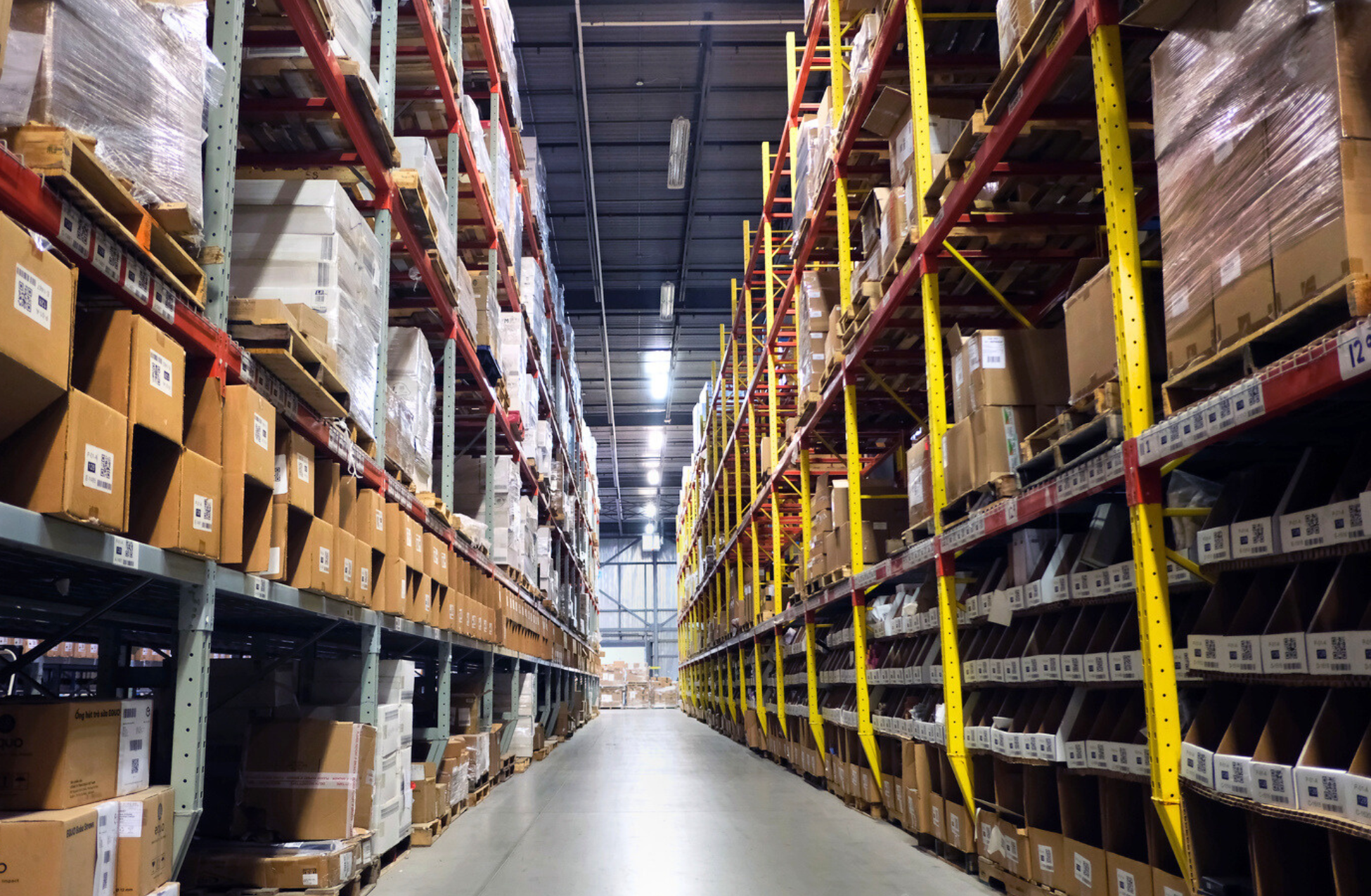
January and February can make or break return operations. After a busy holiday season, the return wave begins—gifts that didn’t fit, duplicate purchases, damaged items, and products that simply didn’t meet expectations. For retailers and e-commerce brands across Toronto and the Greater Toronto Area (GTA), this surge isn’t just a seasonal nuisance—it’s a strategic test of supply chain resilience.
Reverse logistics—the end-to-end process of moving goods from customers back to the seller or manufacturer—is one of the most complex and cost-sensitive parts of modern fulfillment. Done well, it protects margins, recovers inventory, and preserves customer loyalty. Done poorly, it creates backlogs, cash flow delays, and brand damage.
At Mantoria, we help businesses simplify and optimize post-holiday returns with scalable reverse logistics programs designed for speed, visibility, and value recovery.
Why Post-Holiday Returns Are So Challenging
The post-holiday returns landscape comes with distinct pressures:
- Volume spikes: Returns often peak right after New Year’s Day and remain elevated well into February, overwhelming facilities that aren’t right-sized or properly staffed for intake.
- Complex disposition decisions: Each item needs a smart pathway—restock, refurbish, recycle, liquidate, or return to vendor—based on condition, value, and seasonality.
- Cash flow and accounting implications: Slow processing delays refunds, credits, and inventory updates, tying up working capital and frustrating customers.
- Omnichannel expectations: Shoppers expect flexible, convenient return experiences—drop-off points, prepaid labels, in-store returns for online purchases, and fast turnaround on exchanges.
- Regulatory and sustainability requirements: Proper handling of damaged goods, electronics, and packaging waste requires compliant processes, often with documentation.
These pressures get amplified in dense urban environments like Toronto, where transportation lead times, storage capacity, and labor constraints can create bottlenecks.
What Reverse Logistics Really Involves
1. Intake and Verification
- Labeling, scanning, and associating returns with orders.
- Grading item condition (new, open-box, lightly used, damaged).
- Capturing photo evidence and audit trails when needed.
2. Disposition Routing
- Rules-based decisions to restock, repackage, refurbish, recycle, liquidate, or return to vendor (RTV).
- Integrations with ERP/WMS to update inventory counts and accounting entries in real time.
3. Value Recovery
- Kitting and light repairs/refurbishment.
- Seasonality-aware price optimization for resale or secondary channels.
4. Customer Experience
- Fast refunds or store credits with status notifications.
- Clear return policies that match brand promise without causing margin leakage.
5. Sustainability & Compliance
- Responsible disposal, e-waste handling, and packaging reduction.
- Documentation for auditing and ESG reporting.
How Mantoria Simplifies Post-Holiday Returns
1. Rapid Intake & Turnaround
We design seasonal playbooks to handle January–February volume spikes:
- Dedicated receiving lanes and short-term labor scaling.
- Barcode-first workflows to minimize keystrokes and errors.
- Same-day or next-day scanning and disposition for eligible items.
2. Smart Disposition Rules (Configured to Your Business)
We apply configurable rules to assign a disposition path for each SKU:
- Restock to primary inventory (with quality checks).
- Open-box resale with corrected packaging.
- Light refurbishment or parts harvesting for higher-value items.
- Recycling/liquidation when repair or resale is uneconomical.
- Vendor returns (RTV) where agreements apply.
- Rules take into account item value, condition, seasonality, warranty terms, and vendor contracts—so you recover more and write off less.
3. Real-Time Visibility & Integration
Reverse logistics doesn’t work without data transparency:
- WMS/ERP integration for inventory updates and refund triggers.
- Return status dashboards for operations and customer service teams.
- SKU-level analytics to pinpoint high-return items and root causes.
Whether you’re using Shopify, Magento, NetSuite, Microsoft Dynamics, or a custom stack, Mantoria aligns to your system-of-record to keep finance, ops, and CX in sync.
4. Customer-Friendly Return Experiences
We help brands implement frictionless return flows:
- Prepaid labels and QR codes for easy drop-offs.
- Consolidated carrier pickups to reduce per-return costs.
- Automated notifications to reassure customers and reduce WISMO (“where is my order?”) tickets.
5. Sustainability Built In
Mantoria supports responsible handling:
- Recyclable packaging programs and consolidation to reduce waste.
- E-waste compliance (where applicable), with traceable documentation.
- Secondary market channels to extend product life and reduce landfill.
The Toronto Advantage: Local Presence, National Reach
- Shorter lead times from urban customer clusters to processing centers.
- Lower transportation costs for consolidated returns lanes.
- Faster restock cycles and faster refunds—key for customer satisfaction.
Key Metrics to Watch in Post-Holiday Reverse Logistics
- Turnaround Time (TAT): From return receipt to disposition decision (and to refund/credit issuance).
- Restock Rate: % of returns that go back to sellable inventory (with cycle time to listing).
- Recovery Value: Net recovered value per returned unit (including refurbishment outcomes).
- Return Reason Accuracy: Quality of captured reasons for feedback loops to merchandising and product teams.
- Customer Effort Score (CES) on returns: How easy customers perceive the process, affecting repeat purchase behavior.
- Sustainability Impact: % diverted from landfill, recycled materials, and packaging savings.
Best Practices for Smoother Post-Holiday Returns
- Publish Clear, Channel-Specific Policies : Be transparent about windows, condition requirements, and proof-of-purchase. Consider extended holiday return windows to reduce friction without enabling abuse.
- Use Return Reason Codes Intelligently: Keep the list short and clean. Feed insights back to product, sizing charts, PDP content, and marketing.
- Pre-Authorize & Automate: Automated approvals for low-risk categories speed refunds and reduce backlog.
- Segment SKUs by Disposition Strategy: High-margin items may merit refurbishment. Seasonal items may move quickly to secondary channels. Have playbooks ready.
- Optimize Packaging & Kitting: Provide return-friendly packaging or re-use guides. Reduce damages in transit.
- Plan for January/February Capacity: Staff ahead of the surge. Schedule dock times with carriers. Allocate dedicated space for triage and grading.
- Measure, Review, Iterate: Reverse logistics is a continuous improvement engine—set quarterly reviews to tune rules, cut costs, and boost customer satisfaction.
Who Benefits Most from Mantoria’s Reverse Logistics Services?
- Apparel & Footwear: High return rates due to fit; benefit from fast restock and open-box resale.
- Consumer Electronics: Requires careful testing, refurb, and compliant disposal.
- Home & Lifestyle: Bulky items need smart transport consolidation and damage mitigation.
- DTC Brands: Customer experience is everything; fast refunds and clear communication drive repeat purchase.
- Marketplace Sellers: SKU-level analytics reduce problematic listings and improve seller ratings.
Partner with Mantoria for a Returns Program That Protects Margins and Loyalty
Ready to streamline your reverse logistics?
FAQs
Returns management focuses on customer-facing policies and processes—return windows, labels, approvals, and refunds. Reverse logistics is the broader operational engine behind the scenes: intake, verification, condition grading, disposition decisions (restock, refurbish, recycle, liquidate, RTV), system updates, and reporting. The two should work in tandem so that customer promises are operationally feasible and financially sound.
Turnaround time depends on volume, category, and your integration setup. For standard items with clear rules and integrated systems, we often achieve same-day or next-day intake and disposition during peak season. Complex categories (e.g., electronics requiring testing) may take longer, but we’ll set SLA-backed timelines and provide real-time visibility so your support team can confidently communicate with customers.
Yes. While some returns are unavoidable, we use SKU-level analytics and return reason codes to identify root causes (e.g., sizing issues, unclear product descriptions, packaging damage, mismatched expectations). We then collaborate with your merchandising, CX, and fulfillment teams to implement improvements—better PDP content, sizing guides, packaging changes, and QA checks—that reduce preventable returns over time.