In today’s fast-paced, global economy, businesses are under immense pressure to deliver products to customers faster and more efficiently than ever before. For many companies, especially those in the e-commerce, retail, and manufacturing sectors, the complexities of managing logistics can become a significant roadblock to growth. This is where a 3PL—a Third-Party Logistics provider—becomes a game-changing strategic partner.
But what exactly is a 3PL, and why are more businesses entrusting their entire supply chain to them? At its core, a 3PL is a company that provides outsourced logistics services. Think of it as a complete logistics department that you can hire on demand, without the massive investment in warehouses, technology, staff, and trucks. A 3PL takes over the crucial, but often complex, tasks of warehousing, inventory management, fulfillment, and transportation, allowing you to focus on your core business: product development, marketing, and sales.
The Foundational Pillars of a 3PL: A Deeper Look at Core Services
While the basic definition is simple, the services a 3PL provides are multifaceted and form the backbone of a modern supply chain.
1. Warehousing and Storage
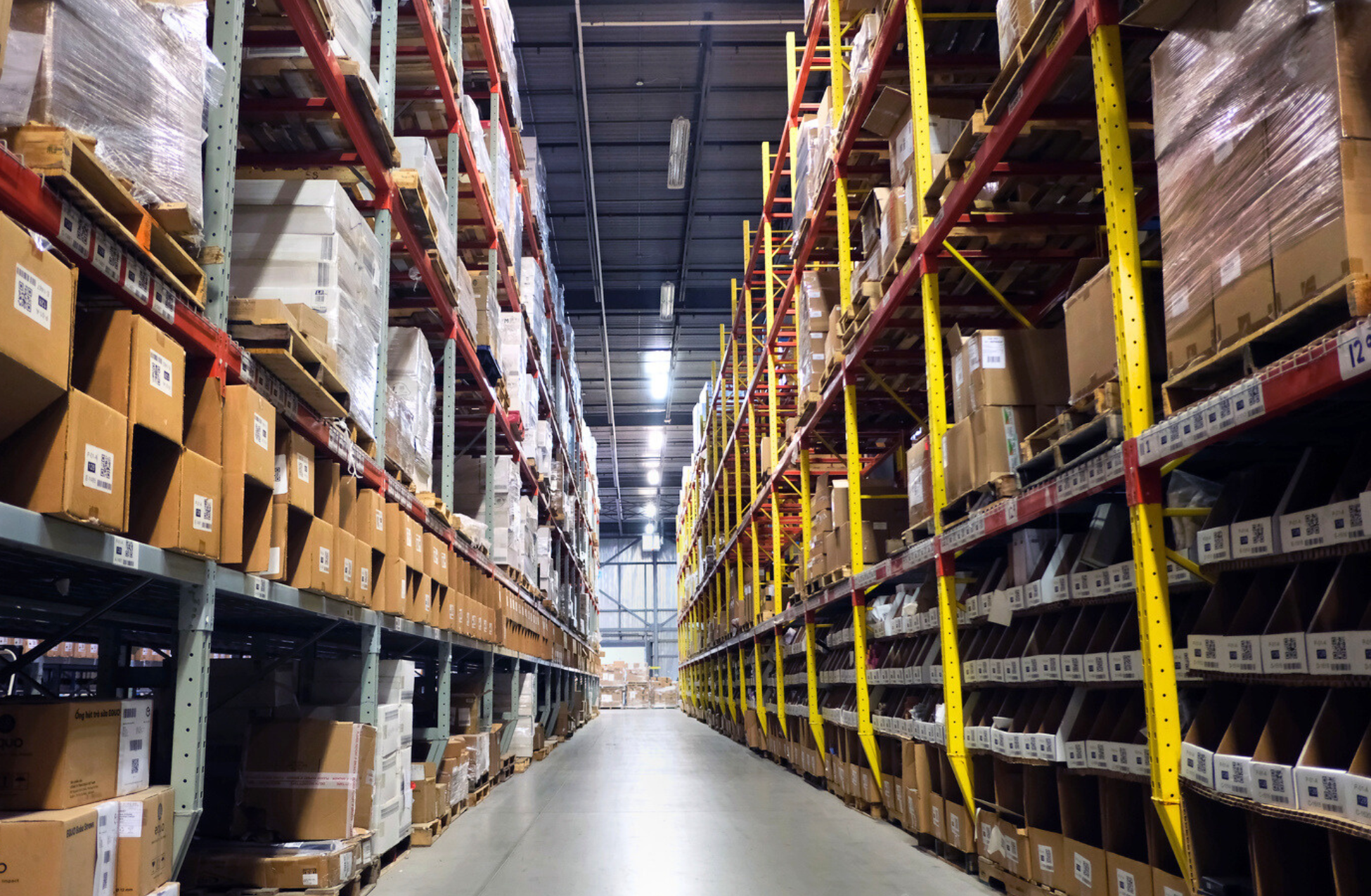
This is more than just a place to keep boxes. A professional 3PL offers secure, scalable, and organized storage solutions. This can range from standard pallet racking for bulk goods to specialized, secure areas for high-value items.
- Scalability: This is a key advantage. You don’t have to guess how much space you’ll need next year. With a 3PL, you can flex your storage space up during peak seasons (like the holidays) and down during slower periods, ensuring you’re never paying for empty space.
- Safety and Security: A reputable 3PL, like Mantoria, invests heavily in physical security to protect your assets. This includes 24/7 CCTV surveillance, advanced fire suppression systems, and access controls to ensure that only authorized personnel can enter the facility.
2. Inventory Management
A 3PL provides real-time visibility into your inventory, which is crucial for preventing costly stockouts or overstocked shelves. They use a Warehouse Management System (WMS), a powerful software platform that acts as the brain of the operation.
- Real-Time Data: Through technologies like barcode scanning and RFID, a WMS provides you with a live, accurate view of your inventory levels and locations.
- Automation: The system automates routine tasks, such as reorder point notifications and discrepancy alerts, giving you a level of control and accuracy that is difficult and expensive to achieve with a manual system.
3. Order Fulfillment
This is arguably the most important service for many e-commerce and retail brands. It is the process that gets a product from the warehouse shelf to your customer’s doorstep.
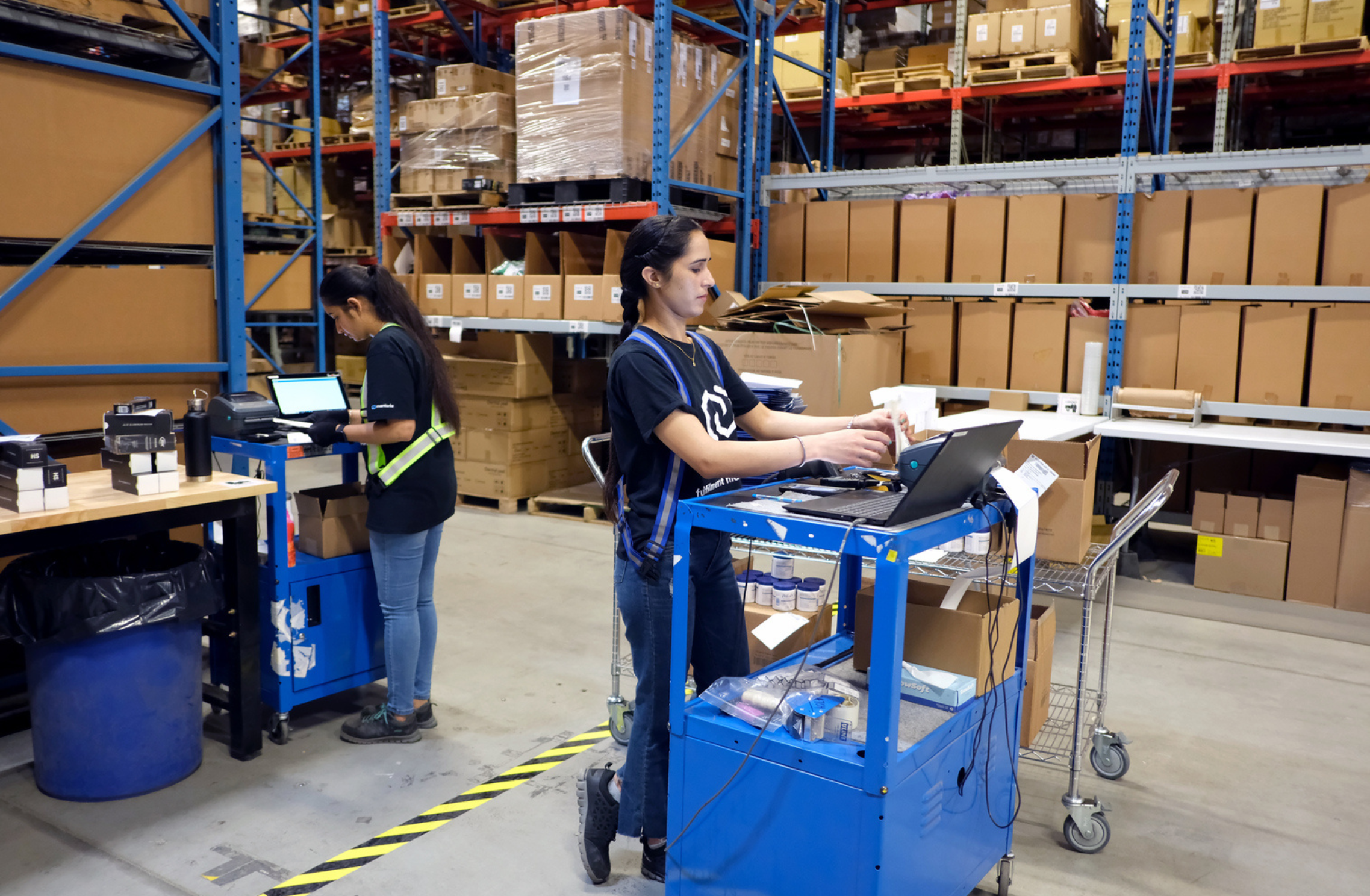
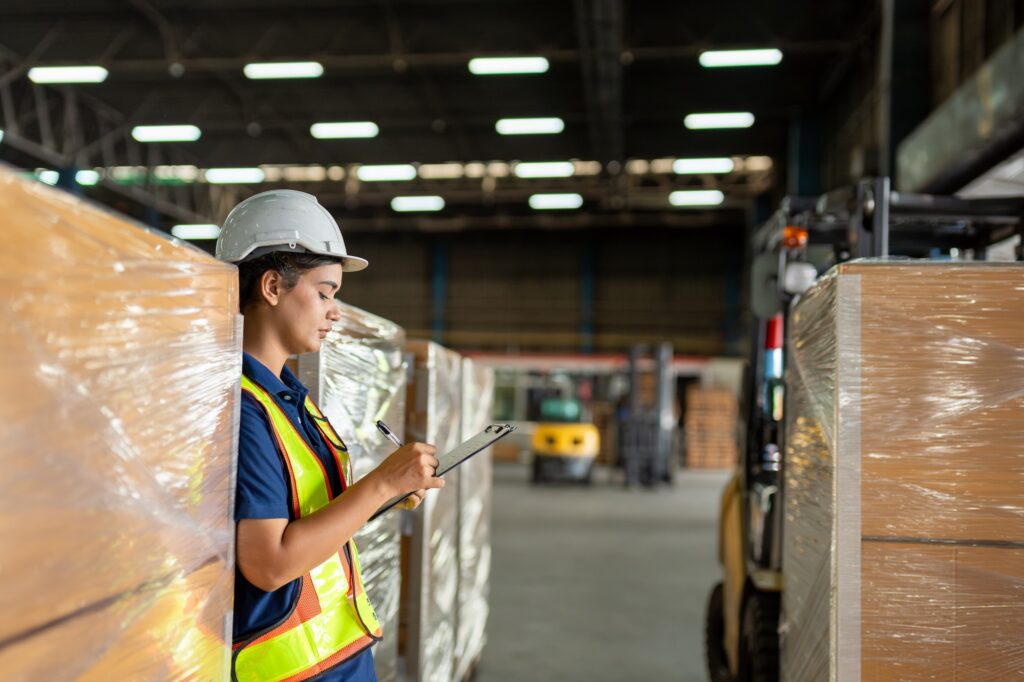
- Receiving: When your products arrive at the warehouse, the 3PL’s team expertly unloads, inspects, and scans them into the WMS.
- Pick and Pack: Once an order is placed on your website, the WMS directs a warehouse associate to the exact location of the item. The item is picked, and then carefully packed for shipping.
- Shipping & Logistics: The 3PL handles the entire shipping process, from generating shipping labels and tracking information to arranging pickups with carriers. Because of their high volume, 3PLs have negotiated rates with carriers that are often significantly lower than what a single business could get on its own.
4. Transportation Management
A 3PL often acts as a broker for transportation services, leveraging their network of carriers to find the most efficient and cost-effective way to move your goods. This can include everything from freight and container shipping to last-mile delivery.
A 3PL is More Than Just a Service Provider, It’s a Strategic Partner
The decision to partner with a 3PL isn’t just a transactional one; it’s a strategic move that can fundamentally change your business.
- Converting Fixed Costs to Variable Costs: This is a major financial benefit. Instead of paying for a fixed warehouse lease, staff salaries, and equipment, you pay for a 3PL’s services as you need them. This frees up your capital to be invested back into core business functions like marketing, product development, or research and development.
- Gaining Instant Expertise: By partnering with a 3PL, you get a team of logistics professionals without having to hire or train them. This is especially valuable for companies entering new markets or scaling up rapidly. A good 3PL has the knowledge to navigate complex customs regulations, global supply chain challenges, and logistical bottlenecks.
- Improving Customer Experience: In the age of instant gratification, fast and accurate delivery is a key differentiator. A 3PL’s operational efficiency can lead to faster order processing, reduced shipping times, and a higher level of accuracy, all of which directly contributes to customer satisfaction and loyalty.
Understanding the Types of 3PLs
Not all 3PLs are created equal. It’s important to understand the different models to find the right fit for your business.
- Asset-Based 3PLs: These companies own the assets they use, such as warehouses, trucks, and fleets of vehicles. This gives them a high degree of control over the supply chain.
- Non-Asset-Based 3PLs: These companies specialize in brokering and managing relationships with other logistics providers. They use their network of carriers and warehouse partners to find the best solution for each client.
- Hybrid 3PLs: These providers, like Mantoria, combine the best of both worlds. They may own some key assets (like a strategically located warehouse) while also leveraging a network of trusted partners to provide a broader range of services. This provides both control and flexibility.
A 3PL is not just a provider of services but a strategic partner that enables businesses to be more agile, efficient, and competitive. It’s an investment in your company’s future, allowing you to focus on innovation and growth while your logistics are expertly handled.
FAQs
A 3PL provides services and assets to manage logistics, while a 4PL acts as a consultant or manager, overseeing the entire supply chain and coordinating multiple 3PLs on your behalf.
If you are spending too much time on fulfillment, are outgrowing your current space, or are looking to expand into new markets, it’s time to consider a 3PL.
3PLs are equipped to handle a wide range of products, from electronics and apparel to industrial parts and consumer goods.